
Is there coverage for mold, water, hurricane, fire, wind or flood damage?

LA CONSULTING
Original Content
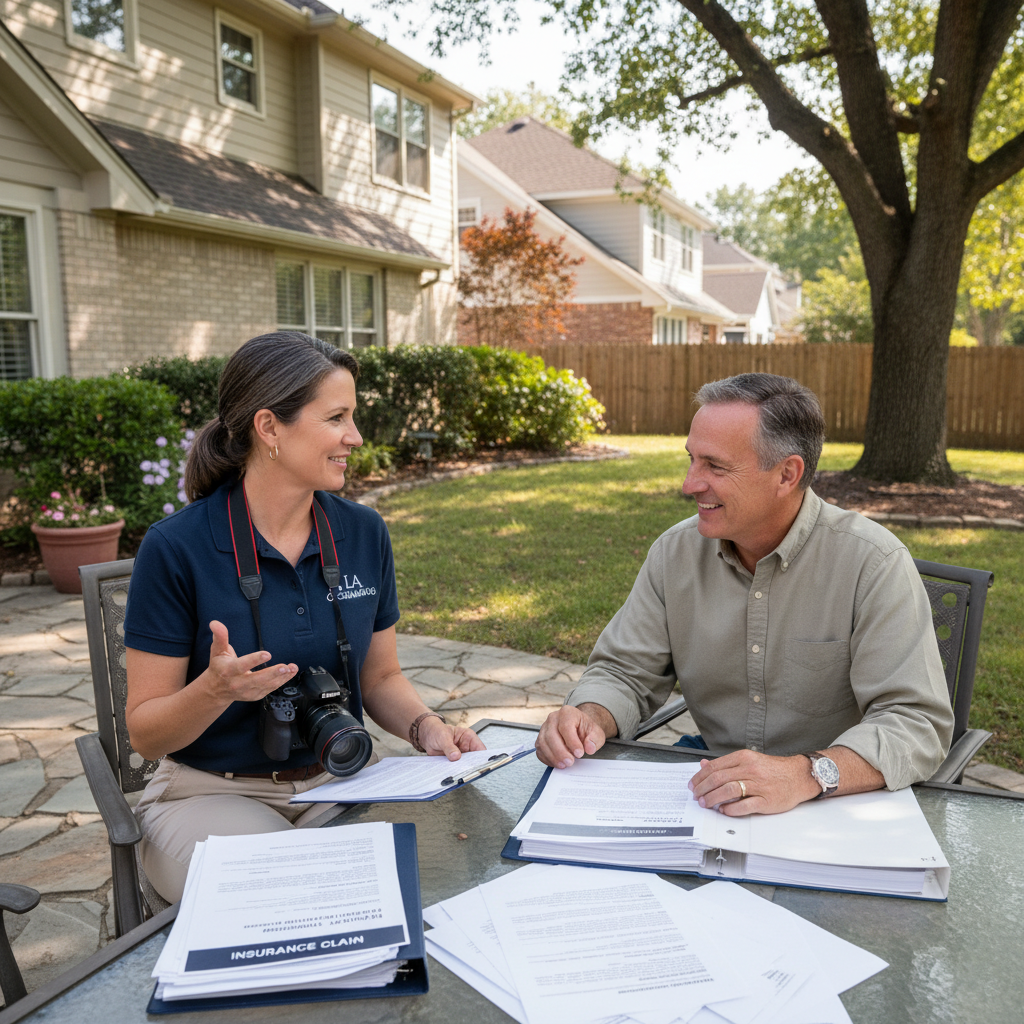
Yes, most insurance policies include some level of coverage for mold, water, hurricane, fire, and wind damage—but with important conditions and exclusions that can dramatically affect your claim. Flood damage, however, is usually not covered under standard homeowners insurance and requires a separate flood policy. LA Consulting specializes in interpreting these distinctions and ensuring that your claim is filed under the correct coverage. We also make sure insurers do not unfairly use exclusions to deny or minimize your payout. By working with us, you gain a clear understanding of what your policy truly covers and a dedicated advocate who knows how to maximize every available benefit.

Mold and water damage coverage
Water damage is one of the most common claims, but insurers frequently limit coverage by arguing the damage was gradual or due to maintenance issues. Sudden events, like a burst pipe or roof leak during a storm, are usually covered. Mold is even trickier, as many policies exclude it altogether unless it results directly from a covered water loss. LA Consulting carefully documents the cause of water and mold damage to connect it to covered events, strengthening your claim and preventing unnecessary denials.
Hurricane and windstorm coverage
In Florida, hurricane and windstorm claims are especially common. Most policies cover wind damage, but insurers may attempt to blame roof or siding problems on wear and tear rather than storm impact. Hurricanes can also trigger special deductibles that are higher than standard ones, which can reduce your payout if you are not prepared. LA Consulting ensures that your storm-related damages are thoroughly inspected and tied directly to the event. We fight to include hidden damages such as water intrusion, foundation cracks, and structural compromise that insurers often overlook.
Our expertise in hurricane claims is especially valuable after widespread storms, when insurers face heavy claim volumes and may rush to minimize payments.
Fire damage coverage
Fire and smoke damage is generally covered by most insurance policies, but insurers often attempt to limit payouts to visible destruction while ignoring secondary effects. Smoke contamination, electrical system damage, and damage from firefighting efforts like water saturation can all be overlooked. LA Consulting conducts a complete inspection, documenting both primary and secondary damages to ensure nothing is missed. This thorough approach maximizes your fire claim and provides the funds necessary for full restoration.
For businesses, we also pursue related claims such as business interruption caused by fire damage, ensuring lost income is included in your settlement.
Flood damage coverage
Standard homeowners policies almost always exclude flood damage caused by rising water from outside sources, such as storm surge or overflowing rivers. To be protected, you generally need a separate flood insurance policy, often through the National Flood Insurance Program (NFIP). Many policyholders only realize this after a devastating flood. LA Consulting helps clients understand the difference between flood and water damage coverage, and we assist with filing flood claims when appropriate. If you have both policies, we coordinate them so you receive the maximum recovery available.
This knowledge is critical in Florida, where flood risks are high and insurers often deny coverage by misclassifying damages as flood-related instead of storm-related.


The bottom line
Insurance coverage for mold, water, hurricane, fire, wind, and flood damage is complicated, with overlapping protections and exclusions. LA Consulting provides the clarity and expertise you need to navigate these issues and secure the settlement you deserve. We review your policy, document damages, and negotiate with insurers to make sure nothing is left out. If you want to know whether your damage is covered—and how to maximize recovery—the safest choice is to call LA Consulting before speaking with your insurer.
