
What should I do immediately after storm, water, or fire damage?

LA CONSULTING
Original Content
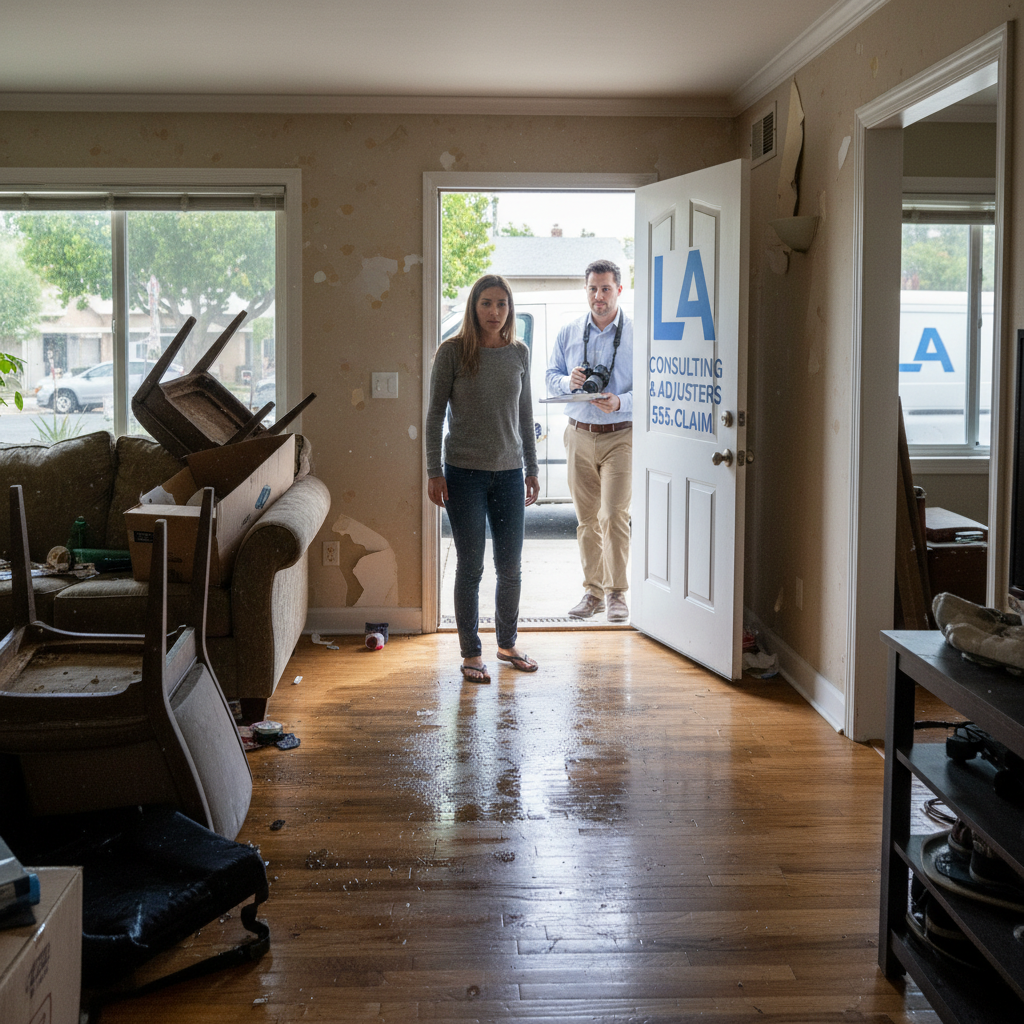
The moments after storm, water, or fire damage can feel overwhelming. Safety, documentation, and timing all matter. Acting quickly but strategically can make the difference between a smooth insurance claim and a frustrating denial or delay. At LA Consulting, we advise property owners on the exact steps to take right after damage occurs. Following these steps will not only protect your safety but also strengthen your insurance claim and increase your chances of securing the maximum payout.
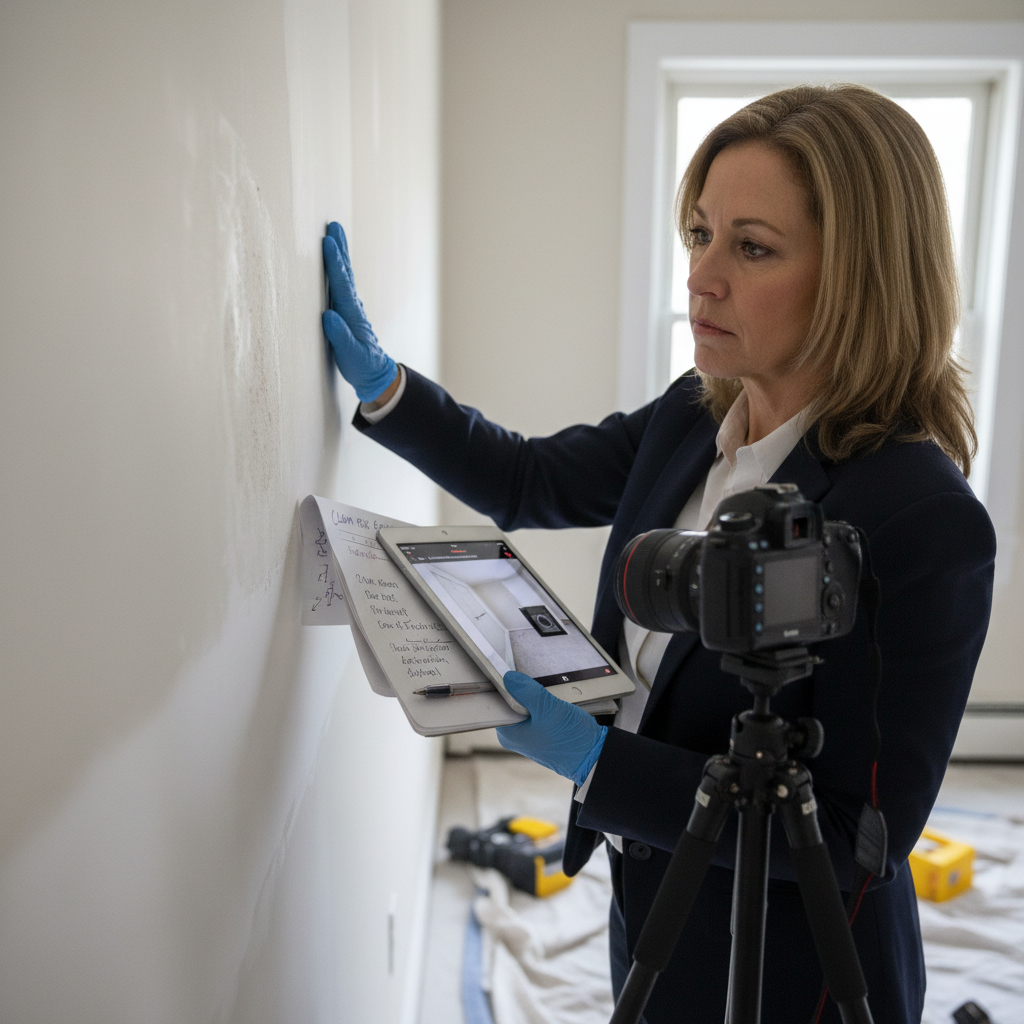
Step 1: Ensure safety first
Before anything else, make sure you and your family are safe. For storm damage, check for hazards such as downed power lines, broken glass, or unstable structures. After a fire, avoid re-entering the property until firefighters give clearance. In cases of water damage, turn off the water supply if possible and avoid electrical hazards. Safety must come before property concerns. Insurance companies expect you to take reasonable steps to prevent further harm, so prioritizing safety also protects your claim.
Step 2: Prevent further damage
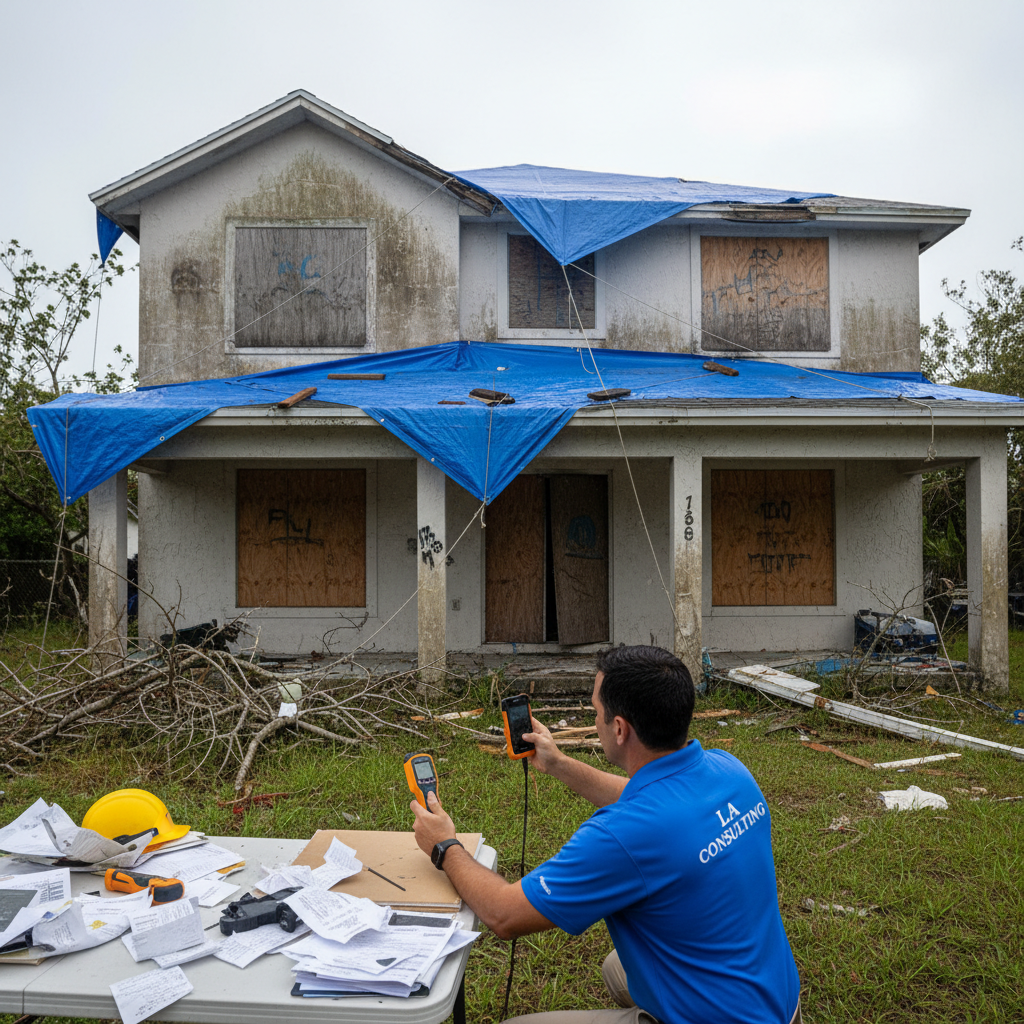
Once it is safe, take reasonable measures to stop damage from spreading. This may include placing a tarp over a damaged roof, boarding up broken windows, or shutting off utilities. Do not begin permanent repairs at this stage—only temporary measures to prevent more destruction. Keep receipts for any emergency repairs, as these are often reimbursable under your policy. By taking these steps, you demonstrate to your insurer that you acted responsibly, which strengthens your claim.
These temporary actions should not replace professional help. LA Consulting can guide you on what is appropriate to do immediately versus what should wait until inspection.
Step 3: Document everything
Thorough documentation is one of the most important things you can do right after damage. Take photographs and videos of all affected areas before moving or cleaning anything. Capture wide shots of rooms, as well as close-ups of individual items or structural issues. If possible, record the date and time of your documentation. Keep damaged items until LA Consulting or the insurer’s adjuster has inspected them. This evidence creates a clear record of the loss and prevents the insurer from disputing your claim later.
Written notes are also helpful. Record what happened, when you discovered the damage, and any emergency actions you took. These details can become vital during negotiations.
Step 4: Contact LA Consulting
Before you notify your insurer, contact LA Consulting. Speaking to your insurance company too soon can lead to mistakes, such as giving statements that limit your payout. When you call us first, we inspect the property, document the damages, and prepare a strategic claim package. This ensures your insurer receives a complete, evidence-backed report rather than an incomplete or rushed account.
Our involvement from the beginning maximizes your chances of success and prevents costly missteps.
The bottom line
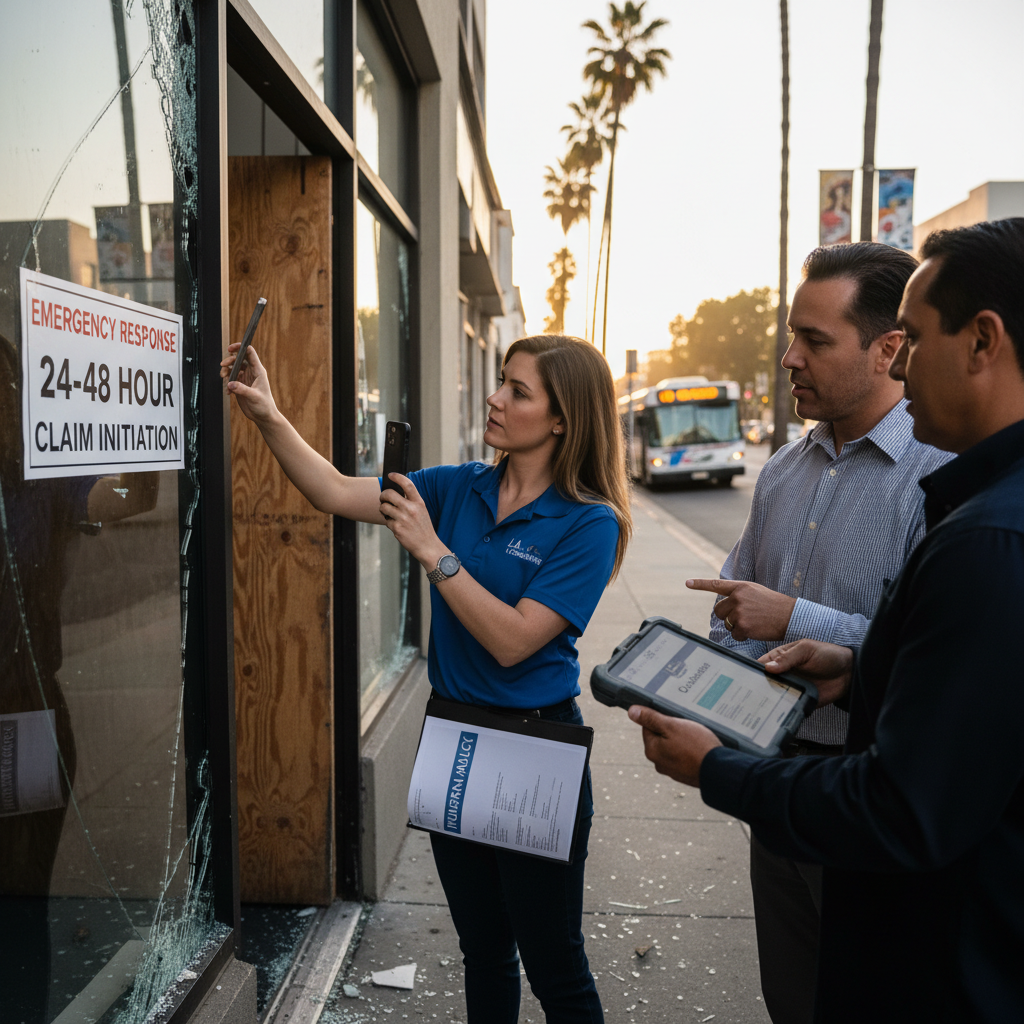
Immediately after storm, water, or fire damage, focus on safety, take steps to prevent further damage, document everything, and call LA Consulting before your insurer. Following these steps protects your claim and ensures you are positioned for the strongest possible settlement. Disasters are stressful, but with the right first moves and professional support, you can recover faster and with confidence.
